Menu
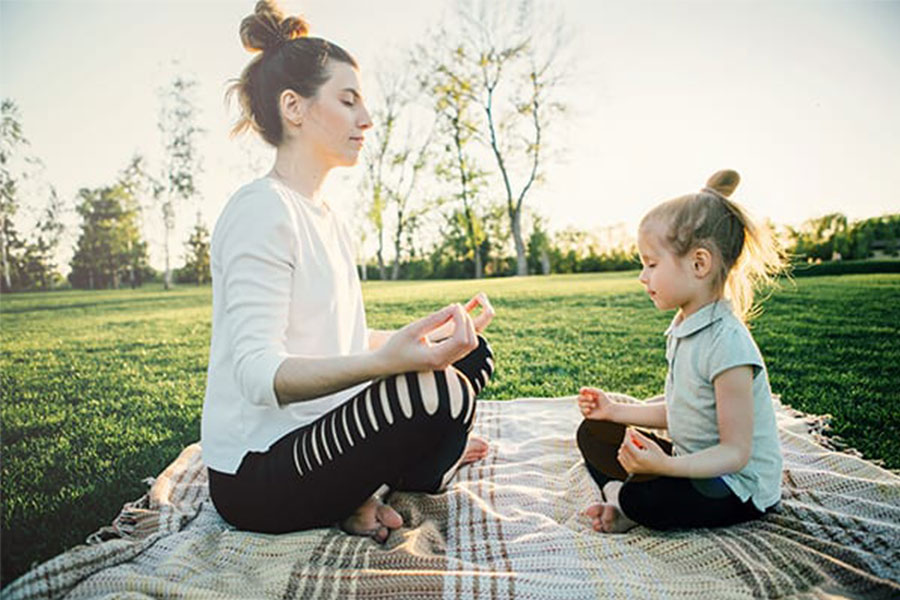
Silent meditation at home
Busy minds, welcome! For all those who read this and experience the familiar daily edge or anxiousness, you have done well to recognize it. ...
Meditation often gets disregarded as something requiring too much of your time, when in fact it can be incredibly beneficial to you and those around you. It has also been proven to increase productivity making it a net time saving. Do you want to learn how to ease the anxiety of life’s little stresses and increase your productivity? Delve in this guide to silent meditation at home and get ready to quieten your mind.
Understanding meditation and silent meditation
If you are new to meditation and all that it encompasses, review and explore this beginner’s guide to meditation. In it, we unpack the many forms of meditation and mindfulness, the steps to practicing meditation and benefits of each type. Once you feel familiar with the concept of meditation, you are ready to begin your journey with silent meditation at home.
silent meditation at home
Approaching silent meditation
Silent meditation comes in many forms and gets fulfilled using different methods. There are the well known silent retreats that span days or even weeks, smaller-scale approaches like intermittent silence and then there is the routine practice of silent meditation. To decide what is the best for you, keep in mind the basic requirements: firstly, your desire to practice silent meditation at home and secondly, time. But, before you dismiss the idea of meditation as time-consuming, rather consider it as time enriching.
We all get caught up in following schedules, routines, tasks, chores, work commitments — the list continues. Before we know it, our time becomes delegated to other needs beyond our own. Meditating aims to rebalance this. By taking a break to exist in silence, we allow our mind to pause, focus on breathing and allow for quiet reflection, helping us process simulants better. Ultimately, the meditation session you have ends up giving you more in return for a few moments. Instead of seeing meditation as self-centered, see it is the act of recentering. And that is something we all need.
The goal, ultimately, is to reap the full array of benefits from meditation and to have a successful meditation practice or hobby.
Silent meditation versus intermittent silence
What is the main difference between intermittent silence and silent meditation at home? Intention and focus. Silent meditation is entirely aligned with breathing and continually refocusing attention to breathing and silence. Intermittent silence, however, follows a less restrictive principle but can be disruptive to the intention and focus goal of meditation.
Intermittent silence purely requires a silent moment without distraction. It doesn’t necessitate a particular matter you need to focus your intentions on. You could even do it while preparing a cup of coffee or raking your leaves. You simply do not speak or communicate, but still the chatter in your mind by focusing on the activity and being present.
Using intermittent silence is a great technique to apply in short spurts throughout your day while you get on with tasks. Silent meditation requires a little more to give yourself a thorough meditative experience, with the added benefit of the rewards continuing on after your meditation session.
How to start silent meditation at home
The process is fairly simple to start, there is no need to worry about getting it wrong or experiencing perceived difficulties. Allow yourself to take each step in calm strides.
To begin your silent meditation at home, ensure you commit a time to the practice — and stay accountable to it. Meditation is a practice and should not be viewed as a “once and awhile” activity. The power of meditation resides in consistency. Carving out a few minutes may seem silly as a difficult task, but as soon as you make a mental decision to practice meditation, it is more likely to happen. If additional motivation is needed to carve out the little special time for yourself, look no further than the abundance of benefits as described by dozens of medical journals. Inform those around you to respect your quiet time and lastly, turn off devices. Create a conducive space as best as you can.
- Position
Silent meditation is best practiced seated. Though many wonder if they could fall asleep, some prefer to avoid this altogether by not engaging in their meditation practice if too tired or by sitting on a cushion on the floor or upright in a chair. Ensure your posture is well supported with an additional cushion on your chair if needed. - Close your eyes but look within
You close your eyes to focus on your breathing. Shut off visual stimulants, external distractions and allow your focus to drift to the moment. Do not try to block these things out, but rather, let them pass or go from your mental process. If thoughts, emotions, visualizations of noises creep back in, gently let them go again and let them pass. - Breathe
Breathe naturally. You can choose to take deep breaths in the beginning to help reset your mind and body if feeling strained. Once you have accomplished those, realign your breathing pattern back to your normal, natural state. In and out, breathing to oxygenate the incredible being that you are. - Observe your body
While in your preferred resting state and breathing, observe yourself. Observe yourself — your body, the sensations you experience and notice the thoughts you have — as an aid to further let go of the mental process. Meditation teaches us to embrace the thoughts that visit us, without extending feelings or time to them. Simply acknowledge them, let them go and return to focusing on breathing. You may experience flashbacks, unpleasant reminders, or worries that plague you — let all of them pass by allowing yourself, in that meditative moment, to be objective. Your focus is breathing, the present moment and that is all.
You can decide how long you wish to practice your silent meditation at home. Intermittent meditation can start with just a few minutes, whereas silent meditation can be upwards from ten minutes to longer. Start with a manageable time and then increase your meditation sessions. To avoid unnecessary distractions, set a timer. If you use your phone or mobile devices, turn the ringer off, but the alarm on. Allow yourself a moment each day for a week and take note of how you recognise being in the present. Notice your thought pattern, how you respond versus reacting to something, and the concerns of the past and future will slowly lift.
May your meditation resonate with you
We hope you enjoyed this guide and wish you well on your experience with silent meditation at home. For more information on meditation, mindfulness and other practices you can use in your life, contact us.